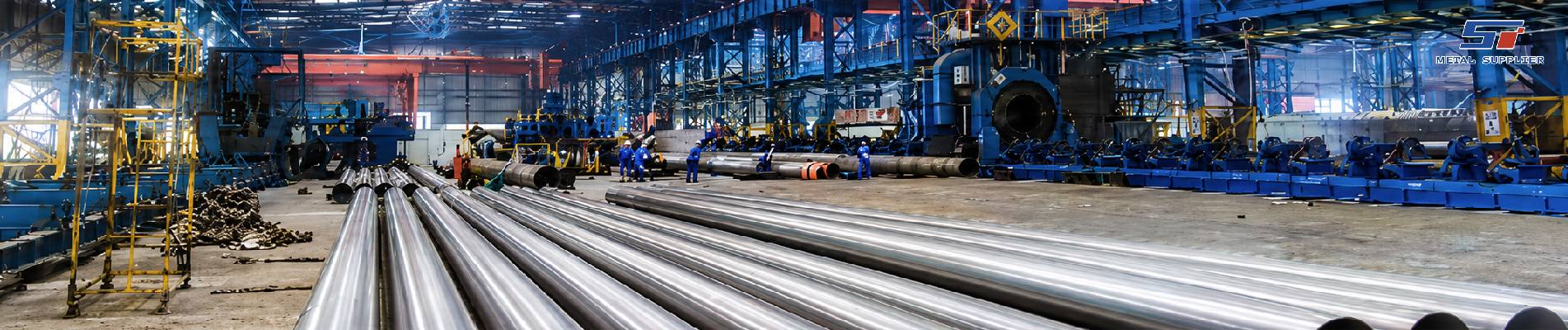
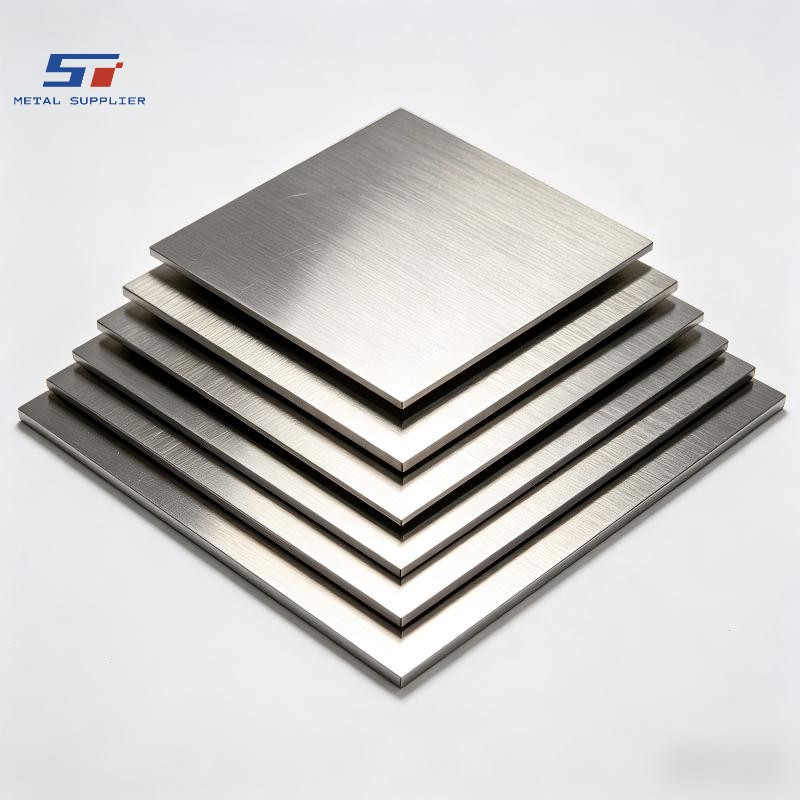
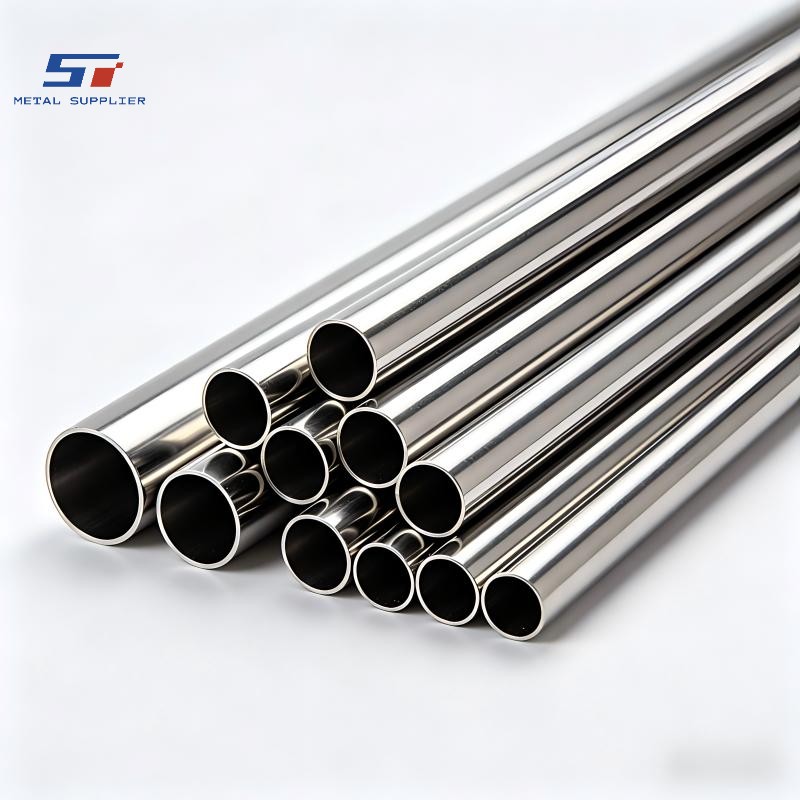
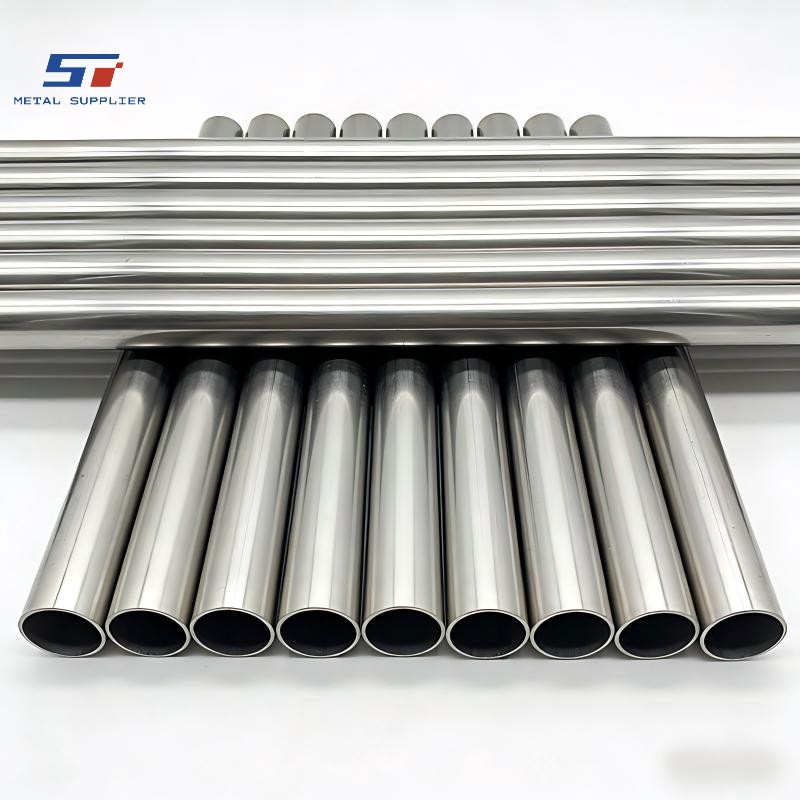
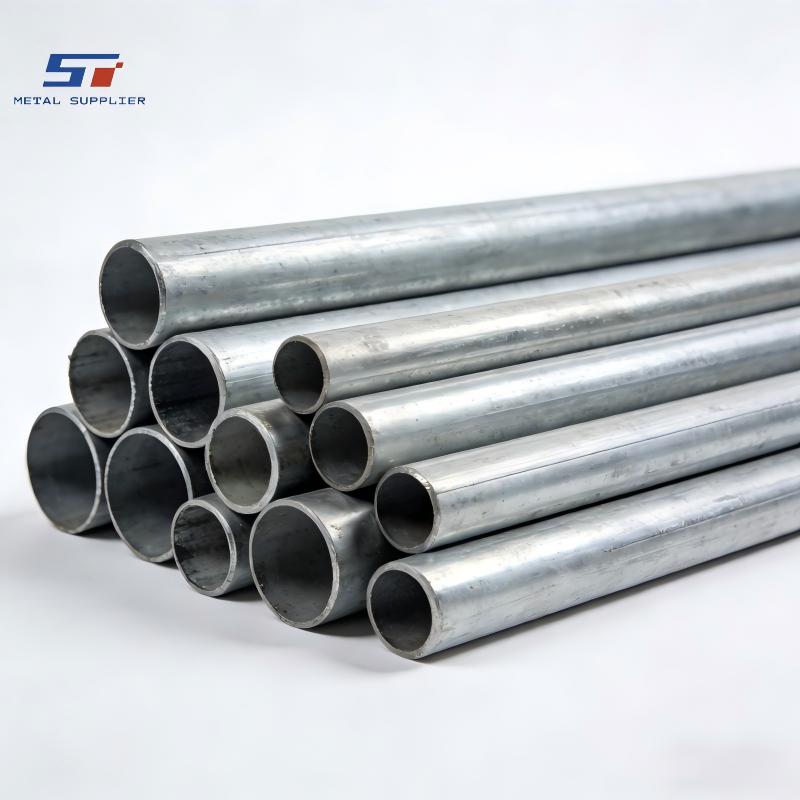
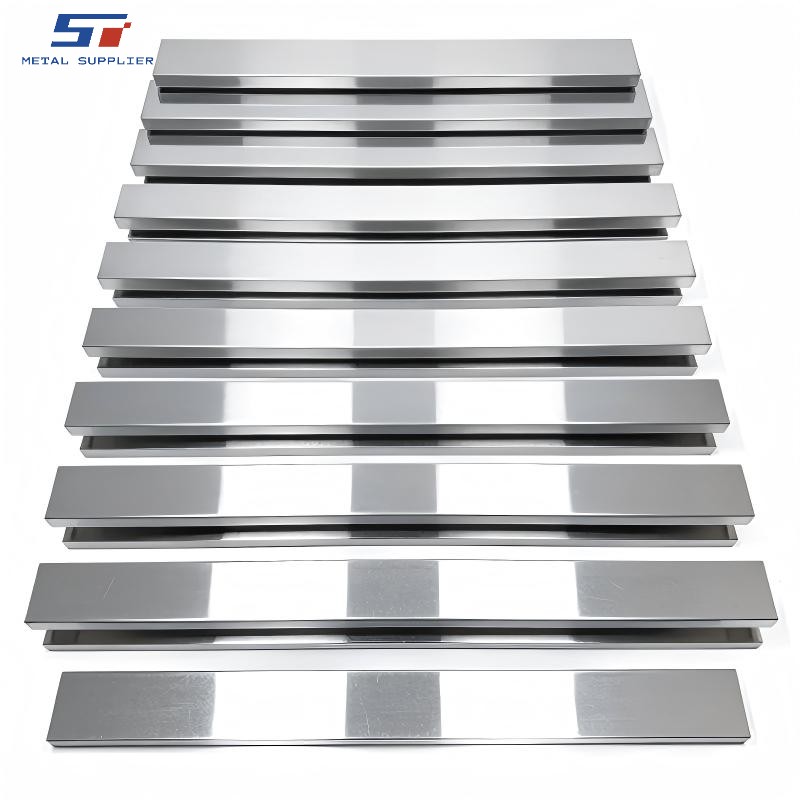
La solution de tuyauterie en acier inoxydable duplex pour les équipements de dessalement côtiers représente une réponse technique sophistiquée à l'un des environnements industriels les plus corrosifs. Ce projet examine l'approche systématique de la sélection, de la fabrication et de la livraison de composants de tuyauterie haute performance pour une installation située dans une région côtière à forte salinité. Les usines de dessalement, qui transforment l'eau de mer en eau potable ou à usage industriel, nécessitent des matériaux capables de résister aux effets combinés de fortes concentrations de chlorures, de variations de pression et d'une turbulence constante du fluide. L'utilisation de l'acier inoxydable duplex vise à garantir un équilibre durable entre résistance mécanique et résistance supérieure à la corrosion par piqûres et à la corrosion caverneuse. Cette étude de cas détaille la justification technique et la rigueur de production nécessaires à la réalisation d'un système de tuyauterie répondant aux exigences extrêmes du secteur du dessalement.
L'application concerne les systèmes d'admission et d'évacuation de saumure d'une usine de dessalement par osmose inverse (OI) située dans une zone à températures ambiantes élevées et à l'air marin agressif. Dans ces systèmes, la tuyauterie est en contact avec de l'eau de mer brute, riche en sels dissous, en sable et en micro-organismes, ainsi qu'avec de la saumure concentrée après extraction. Ces fluides sont très agressifs pour les aciers inoxydables conventionnels comme le 304 ou même le 316L, qui peuvent subir une corrosion localisée rapide, notamment par piqûres et fissuration sous contrainte. L'équipement fonctionne en milieu côtier où l'air chargé de sel affecte également les surfaces externes de la tuyauterie, créant ainsi un double risque de corrosion. La vitesse élevée du fluide requise pour une osmose inverse efficace ajoute une composante d'érosion mécanique aux contraintes environnementales, rendant le choix des matériaux crucial pour la réussite du projet. Les variations saisonnières de la température de l'eau de mer imposent également des cycles thermiques au matériau, qui doit conserver ses propriétés mécaniques et sa stabilité de phase sur une large plage de fonctionnement.
Le principal défi de ce projet de dessalement côtier réside dans la prévention de la fissuration par corrosion sous contrainte induite par les chlorures (CSCC) et de la corrosion par piqûres. Les conditions d'exploitation comprennent des zones de refoulement de pompes à haute pression où la vitesse du fluide est importante, ce qui accroît le risque d'érosion-corrosion. De plus, le cahier des charges impose une durée de vie de 25 ans avec des arrêts de maintenance minimaux, car l'usine fournit une ressource en eau essentielle à la communauté locale. Toute défaillance du réseau de canalisations pourrait entraîner des arrêts coûteux et une contamination environnementale potentielle due à des fuites de saumure. Du point de vue de la fabrication, le matériau choisi doit également conserver ses propriétés de résistance à la corrosion après soudage et formage, ce qui exige un contrôle rigoureux de l'équilibre des phases métallurgiques. Ce défi est exacerbé par la présence d'organismes biologiques dans l'eau de mer brute, qui peuvent provoquer une corrosion d'origine microbiologique (MIC) dans les zones stagnantes ou à faible débit du système. Cette menace biologique requiert une surface exceptionnellement lisse et résistante aux sous-produits métaboliques des bactéries sulfato-réductrices.
Choix du matériau/procédé
Pour répondre à ces exigences strictes, l'acier inoxydable duplex (plus précisément de nuance 2205/S31803) a été sélectionné comme matériau principal pour la tuyauterie. Les alliages duplex présentent une microstructure biphasée composée de proportions approximativement égales d'austénite et de ferrite. Cette structure confère une limite d'élasticité nettement supérieure à celle des aciers austénitiques standards, permettant ainsi de réduire l'épaisseur des parois et le poids total du système de tuyauterie sans compromettre la résistance à la pression. De plus, la teneur élevée en chrome (environ 22 %), en molybdène (environ 3 %) et en azote de l'acier 2205 lui confère un indice de résistance à la piqûration (PREN) généralement supérieur à 33, ce qui le rend très efficace dans l'environnement marin riche en chlorures. L'azote joue un rôle crucial : il améliore la résistance à la piqûration et stabilise la phase austénitique, garantissant ainsi le maintien de l'équilibre critique 50/50 lors des cycles de soudage soumis à des contraintes thermiques. Le procédé de fabrication des tubes duplex sans soudure comprend une extrusion à chaud suivie d'un recuit de mise en solution précis à des températures comprises entre 1040 °C et 1100 °C, puis d'une trempe rapide dans l'eau afin de figer l'équilibre de phases 50/50. Cette précision métallurgique est essentielle pour prévenir la formation de phases intermétalliques fragiles telles que la phase sigma, qui peuvent fortement dégrader la ténacité et la résistance à la corrosion.
Coordination de la production
La production du système de tuyauterie duplex a nécessité une coordination étroite entre l'approvisionnement en matières premières, les ateliers d'usinage de précision et l'unité de traitement thermique. Compte tenu de la dureté et de l'écrouissage supérieurs de l'acier duplex par rapport aux aciers standards, des outils de coupe et de chanfreinage spécialisés, dotés d'une géométrie et de revêtements optimisés, ont été utilisés afin de garantir des extrémités de tuyaux propres et précises pour le soudage sur site. L'équipe de coordination a mis en place un protocole strict de séparation des matériaux pour prévenir toute contamination croisée par des outils en acier au carbone, des meules ou des poussières, susceptibles d'introduire des particules de fer et de compromettre la résistance à la corrosion de la surface en acier inoxydable. Par ailleurs, la planification a été gérée de manière à ce que tous les recuits de mise en solution soient réalisés par lots, permettant ainsi une vérification métallurgique systématique avant le passage du matériau à l'étape de fabrication suivante. Des réunions de coordination régulières entre l'équipe de contrôle qualité et les responsables de production ont permis de garantir la conformité de chaque étape du processus avec les spécifications techniques du projet.
Points de contrôle qualité
L'assurance qualité de la solution de tuyauterie de dessalement s'est articulée autour de plusieurs points de contrôle critiques tout au long du cycle de production. Premièrement, une analyse chimique a été réalisée sur chaque lot de traitement thermique afin de vérifier que la composition élémentaire, notamment les teneurs en azote et en molybdène, respectait les exigences minimales du projet pour le PREN. Deuxièmement, l'équilibre des phases a été vérifié par examen métallographique d'échantillons prélevés dans chaque lot de traitement thermique afin de garantir que le rapport ferrite/austénite restait dans la plage spécifiée de 40 à 60 %. Pour détecter tout défaut de surface susceptible d'amorcer la corrosion par piqûres, un contrôle par ressuage (LPT) a été appliqué à 100 % de toutes les préparations de soudure et des zones de surface critiques. Un contrôle par courants de Foucault ou par ultrasons a également été effectué sur toute la longueur des tuyaux afin de garantir leur intégrité interne. Enfin, un essai hydrostatique a été réalisé à 1,5 fois la pression de conception afin de confirmer l'intégrité structurelle des tuyaux sans soudure sous charge maximale. Ces points de contrôle rigoureux constituent la documentation nécessaire à l'audit technique final réalisé par le maître d'ouvrage.
Amélioration du film passif et décapage
Afin de garantir une résistance maximale à la corrosion des tuyauteries duplex, une phase de traitement de surface spécifique a été intégrée au plan de projet. Après l'usinage et les traitements thermiques, les tuyaux ont subi un décapage et une passivation complets. Le décapage consiste à utiliser une solution acide pour éliminer la « teinte thermique » ou la calamine formée lors de la fabrication, car ces oxydes peuvent être appauvris en chrome et constituer des sites de corrosion localisée. Après décapage, les tuyaux ont été passivés afin de favoriser la formation d'un film d'oxyde uniforme et riche en chrome en surface. Ce film passif constitue la première barrière contre l'attaque des chlorures. L'équipe qualité a vérifié l'efficacité de ce traitement par des tests de rupture d'eau et, dans certains cas, par des tests au ferricyanure pour confirmer l'absence de fer libre en surface. Cette étape supplémentaire garantit que la résistance intrinsèque à la corrosion du matériau est pleinement exploitée sur le terrain.
Vérification dimensionnelle et analyse d'ajustement
Une phase de coordination spécialisée a été consacrée à la vérification dimensionnelle afin de garantir un ajustement parfait au sein des racks d'osmose inverse. Compte tenu des hautes pressions en jeu dans le processus d'osmose inverse, même de légers défauts d'alignement peuvent entraîner des vibrations et une fatigue prématurée des joints. L'équipe projet a utilisé la numérisation laser de haute précision pour créer un enregistrement numérique de chaque tronçon de tuyauterie sur mesure, en comparant les dimensions physiques aux plans d'ingénierie d'origine. Cette vérification a porté sur l'angularité des brides, l'entraxe des sorties et la rectitude générale des longs tuyaux d'aspiration. En réalisant cette analyse d'ajustement en usine, Shengtao Metal a éliminé le besoin d'ajustements coûteux sur site et a garanti une installation optimale en termes d'efficacité et de sécurité.
La dernière étape du projet a consisté en un emballage maritime spécialisé afin de garantir que les tuyaux duplex arrivent sur le site côtier en parfait état, exempts de toute contamination saline pendant le transport. Chaque tuyau a été soigneusement nettoyé à l'eau déminéralisée et séché à l'air comprimé filtré pour éliminer toute trace de fluides de coupe ou d'humidité. Les extrémités ont été scellées avec des bouchons en plastique robustes et résistants aux UV afin d'empêcher toute infiltration de débris, d'insectes ou d'embruns salés pendant le transport maritime. Pour l'expédition, les tuyaux ont été fixés dans des caisses en bois renforcées, traitées thermiquement conformément à la norme ISPM-15. Des rembourrages et des séparateurs internes ont été utilisés pour éviter le contact métal sur métal entre les tuyaux, ce qui aurait pu provoquer des rayures superficielles. La livraison a été coordonnée avec le calendrier d'installation du site afin de minimiser la durée de stockage sur place. Tous les certificats d'essai en usine (MTC), les rapports d'inspection et les dossiers de traitement de surface nécessaires ont été regroupés dans un dossier de données complet, à la fois numérique et physique, afin de faciliter la vérification par les auditeurs qualité du projet dès réception.
Contactez Shengtao Metal pour des solutions de produits en acier
Si vous recherchez des solutions fiables en matière de produits en acier et en métal, n'hésitez pas à nous envoyer votre demande.
Il vous suffit de nous fournir vos spécifications, telles que la qualité du matériau, les dimensions, la quantité ou l'application, et notre équipe vous répondra rapidement avec un soutien professionnel et un devis compétitif.
E-mail: stsalesman4@stmetal001.com